
How to Design a Corporate Offsite That Actually Feels Like an Experience (Not Just Another Meeting)
![[HERO] How to Design a Corporate Offsite That Actually Feels Like an Experience (Not Just Another Meeting)](https://cdn.marblism.com/dtyDoD1BCD6.webp)
Let's be honest: most corporate offsites feel like meetings in disguise. Same people, same energy, just... different chairs. Your team flies in (or drives across town), sits through eight hours of PowerPoint, eats lukewarm conference food, and flies home wondering what just happened. Zero inspiration. Zero transformation. Zero return on that hefty budget.
But here's the thing, it doesn't have to be that way. When done right, an offsite can actually be the catalyst your team needs. The kind of event people talk about months later. The session that actually shifts how your company operates. The day that reminds everyone why they signed up in the first place.
So how do you design a corporate offsite that breaks the mold? Let's dig in.
Start with the "Why", Not the "What"
Before you book an offsite venue san francisco or build out an agenda, get crystal clear on what you're actually trying to accomplish. And no, "team alignment" or "Q2 planning" doesn't count. Go deeper.
Ask yourself: What should people feel when they leave? What should they be ready to do differently? What kind of energy or momentum are you trying to create?
One tech team we hosted defined their desired outcome as: "Leave this room feeling like one unified team ready to tackle our biggest challenges together, not just a collection of departments." That clarity became their north star for every decision: speaker selection, breakout topics, even the type of seating arrangement.
This isn't fluffy stuff. When you know your desired effect, you can ruthlessly cut anything that doesn't serve it. No more "let's add this because we have time" or "this person wants to present so let's squeeze them in." You're building an experience, not a grab bag.
Ditch the Traditional Agenda (Seriously)
Here's where most offsites go off the rails: they're structured like glorified meetings. Topic 1, Topic 2, Break, Topic 3, Lunch, rinse, repeat. By 2 PM, half your team is checking email and the other half is fighting to stay awake.
Instead, design your offsite as a journey with distinct phases. One framework that works really well:
I (Individual Focus): Start with sessions that help people reflect on their own role, challenges, and contributions. This could be a personal values exercise, a "what energizes me" workshop, or even a simple journaling prompt.
We (Team Focus): Move into breakouts where smaller groups tackle specific challenges together. This is where functional teams or project squads get aligned and hash out real issues.
All (Company Focus): Finish with collective experiences that reinforce your shared mission and vision. This might be a town hall, a collaborative problem-solving session, or a celebration of wins.
The key is that each phase builds on the last. You're not just throwing topics at people, you're taking them on a journey from "me" to "we" to "us."
Choose Your Space Like It Actually Matters (Because It Does)
Location isn't just logistics, it's a signal. Where you host your offsite tells your team whether this is business as usual or something different.
If you default to the same hotel conference room you always use, you're setting the tone before anyone walks in the door: "This is basically a longer meeting." But if you choose a corporate event space sf that feels different, industrial, creative, unexpected, you're saying, "We're doing something new here."
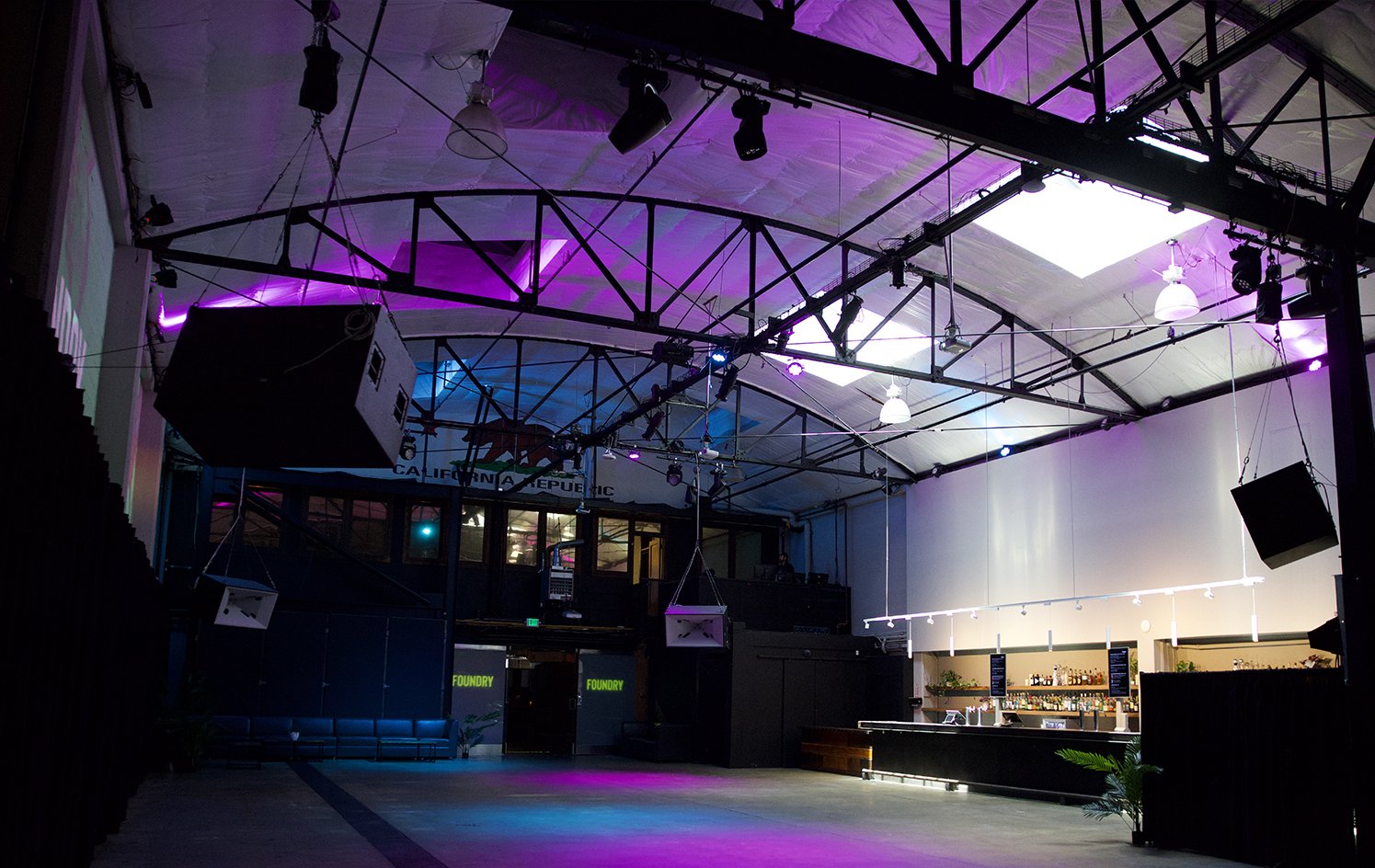
Look for spaces that offer flexibility. You don't want one big ballroom where everyone stares at the back of someone's head all day. You want zones: a main space for keynotes, breakout areas for small group work, lounge spaces for informal conversations, maybe even outdoor areas if you're lucky.
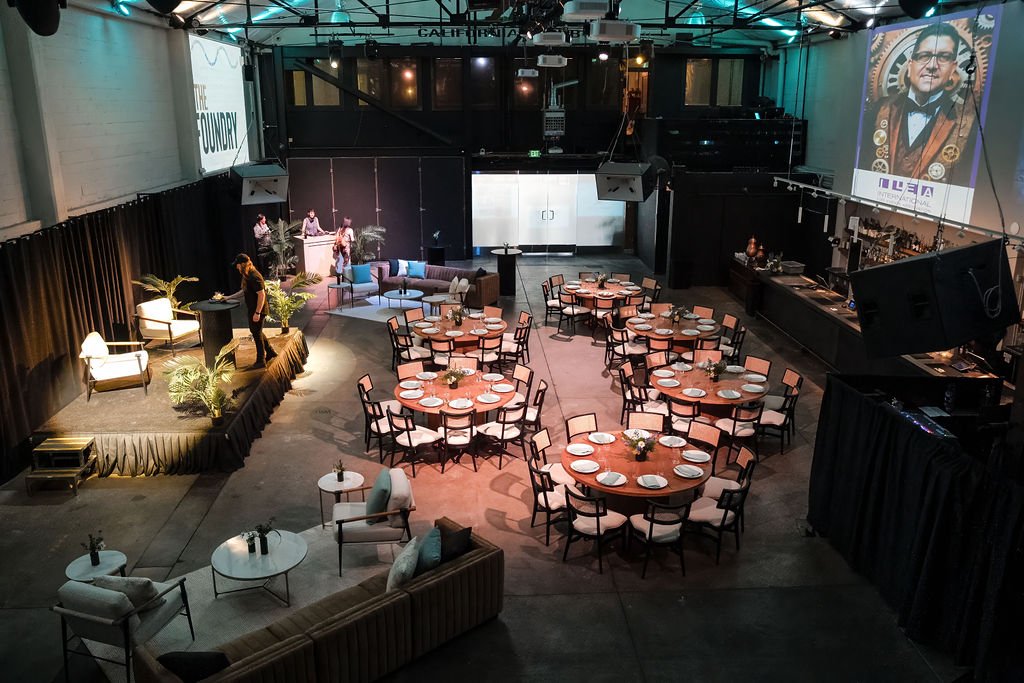
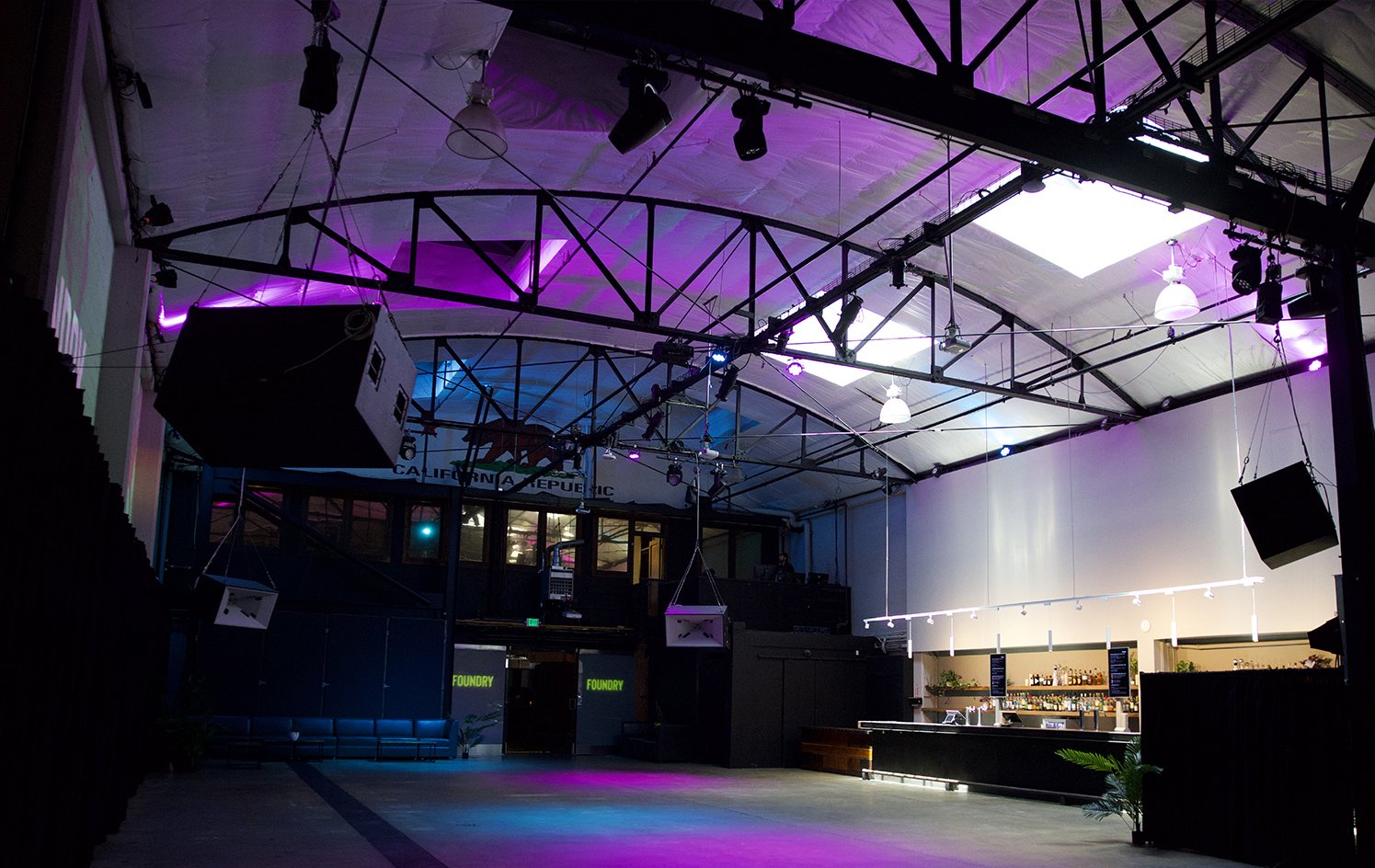
The Foundry SF, for example, combines soaring ceilings and industrial-chic vibes with the kind of adaptable layout that lets you completely reconfigure the space throughout the day. One minute it's theater-style for a company address, the next it's cocktail tables for collaborative brainstorming. That kind of versatility keeps energy high and signals that this isn't your typical corporate event.
Build in Unstructured Time (Yes, Really)
This one trips people up. You're spending all this money and time on an offsite, so naturally you want to pack every minute with content, right?
Wrong.
Some of the most valuable moments at an offsite happen in the margins. The conversation at the coffee station. The brainstorm that erupts during lunch. The connection two people make while waiting for the elevator.
If you schedule every second, you kill those moments. Instead, intentionally build in white space. A 30-minute coffee break with no agenda. A working lunch where people can sit wherever they want. An early wrap so people can grab drinks together.
This isn't wasted time: it's where the magic happens. It's where someone from engineering finally gets to ask that question they've been holding. Where a cross-functional collaboration gets sparked. Where people actually connect instead of just coexist.
Make Participation the Default, Not the Exception
You know that offsite dynamic: three people dominate the conversation, half the room stays silent, and everyone leaves feeling like they could've just sent their questions via email.
To design an offsite that actually engages everyone, you need to be intentional about participation from minute one.
Start with how you set up the room. Round tables beat theater-style. Mixed seating (no departments sitting together) beats letting people choose their own spots. Spread out leadership instead of clustering them at the front.
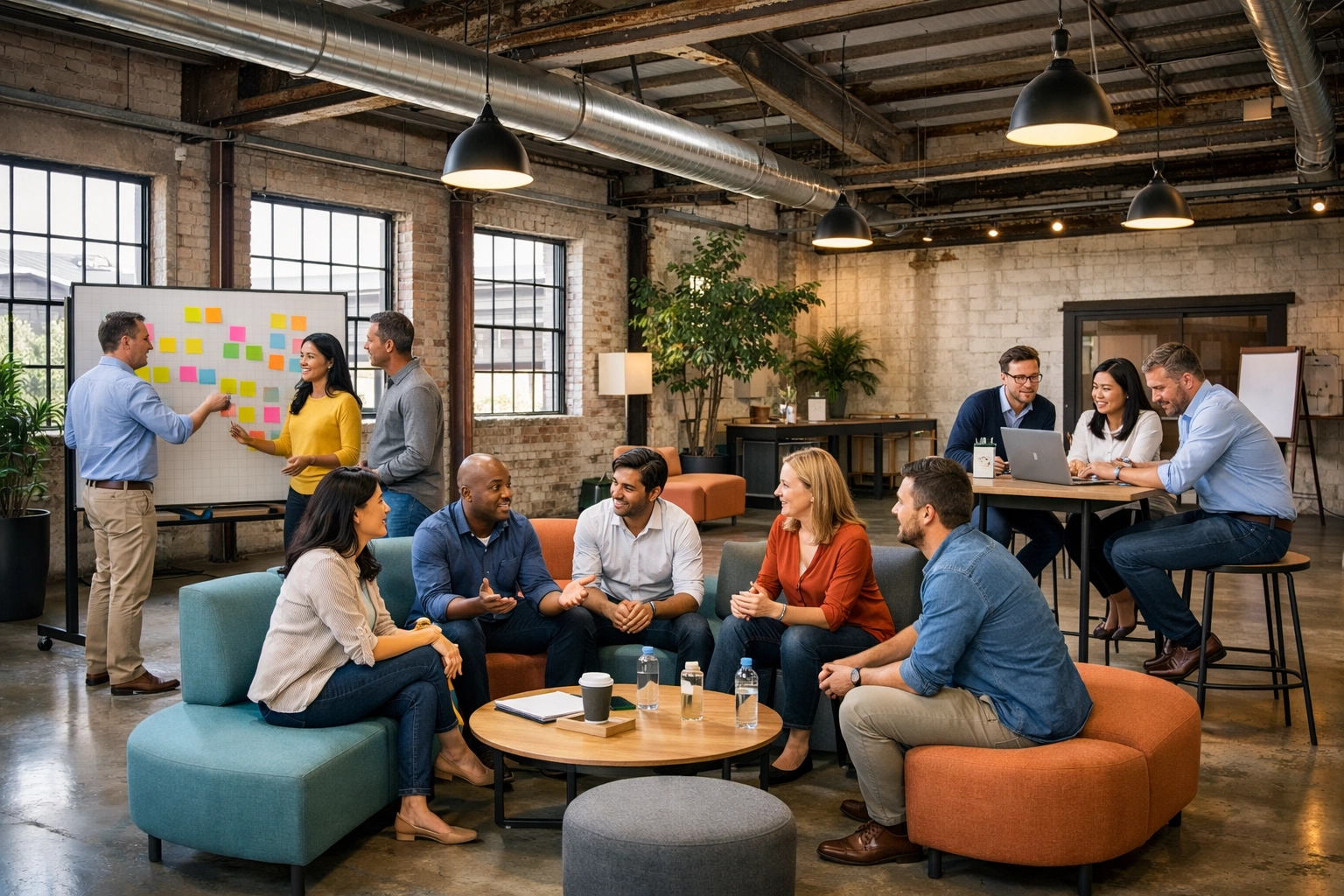
Then design sessions that require participation. Instead of a one-hour presentation followed by Q&A, try a 20-minute lightning talk followed by 40 minutes of structured small group discussion. Use frameworks like "think-pair-share" where everyone reflects individually, discusses with a partner, then shares with the larger group.
Ask targeted questions to draw out quieter voices: "Jamie, you've been leading this initiative: what's your take?" Validate every contribution, even if it's a work in progress. The goal is to make speaking up feel safe and expected, not risky and rare.
Create Moments That Stick
Here's a truth bomb: people won't remember your five-point strategy. They won't remember most of what was said in that three-hour planning session. But they will remember how they felt.
So build in moments that create emotional resonance. This could be:
- A surprise guest speaker who shares a story that connects to your company mission
- A team activity that's challenging but fun (escape rooms, cooking competitions, creative challenges)
- A recognition ceremony that celebrates real achievements in meaningful ways
- A closing ritual where everyone shares one commitment they're taking back to their work
These moments don't have to be expensive or elaborate. They just have to be genuine and intentional.
Design for What Happens After
The offsite itself is only half the equation. What happens in the days and weeks that follow determines whether it was transformational or forgettable.
Before anyone leaves, build in structured reflection. Have people write down their top three takeaways. Get commitments on next steps. Assign clear owners and deadlines for action items.
Then: and this is critical: follow up fast. Within 48 hours, send out a summary with photos, key decisions, and next steps. Within a week, check in on progress. Within a month, measure whether anything actually changed.
The venues that understand this don't just provide a space: they become partners in your follow-through. Whether it's recording key sessions, providing professional documentation, or offering post-event support, the right offsite venue san francisco can extend the impact long after your team heads home.
The Bottom Line
Designing a corporate offsite that actually works isn't about finding the perfect venue or crafting the perfect agenda (though both help). It's about clarity of purpose, intentional design, and creating space for real human connection.
It's about treating your team like adults who are capable of profound collaboration when given the right environment. It's about respecting their time enough to make every minute count. And it's about being brave enough to try something different than the same tired format everyone else uses.
Because when you get it right? When you create an experience that genuinely transforms how your team thinks and works together? That's not just a good offsite. That's a competitive advantage.
Ready to start planning an offsite that doesn't suck? Reach out and let's talk about what's possible when you stop treating offsites like meetings and start treating them like the strategic investment they should be.