
7 Creative Ways to Beat Rising Event Costs at San Francisco Venues (2026 Budget Hacks)
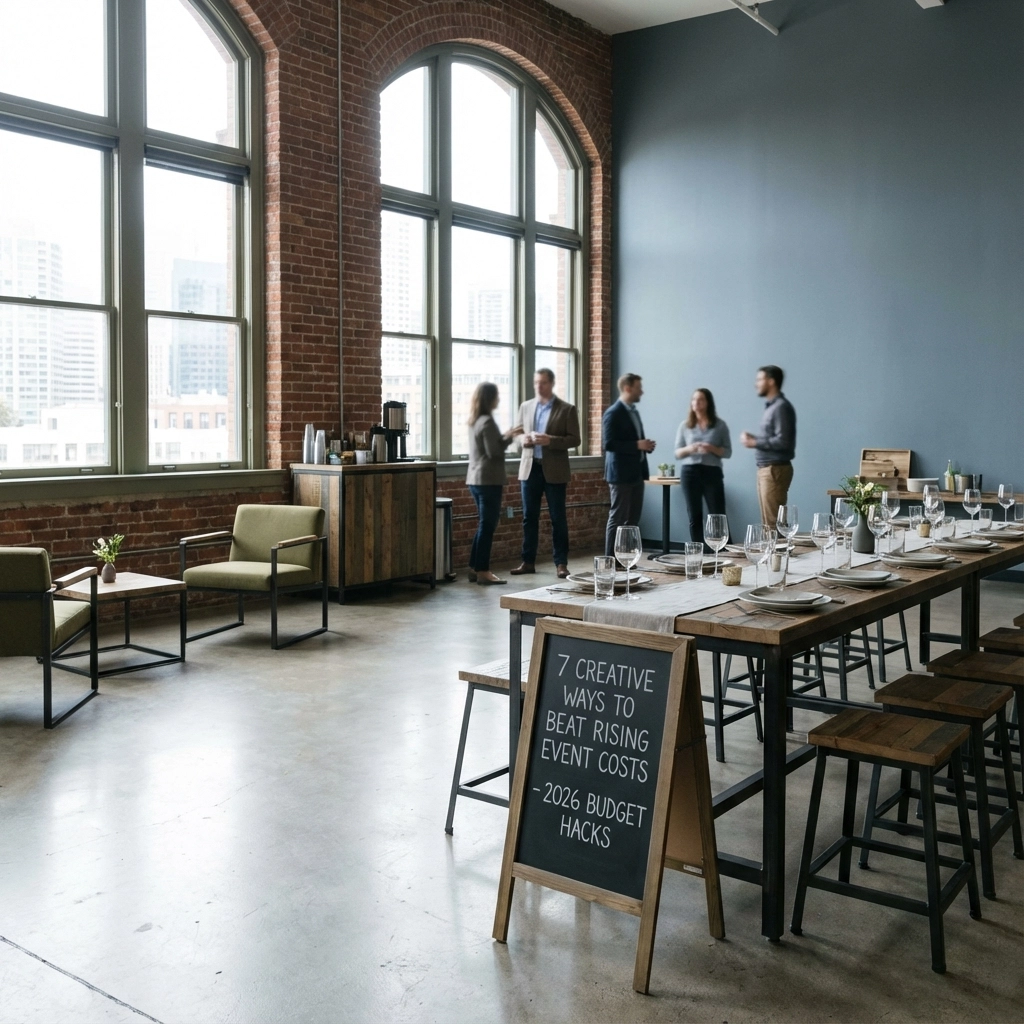
San Francisco's event landscape continues to evolve rapidly, with rising venue costs forcing event planners to become increasingly strategic about budget allocation. However, savvy planners who understand the market dynamics can still create memorable experiences while keeping costs under control. The key lies in working smarter, not just spending less.
These seven budget hacks leverage San Francisco's unique venue ecosystem and market trends to deliver maximum impact per dollar spent. Whether you're planning a product launch, corporate gathering, or milestone celebration, these strategies can reduce your overall costs by 20-40% while enhancing the attendee experience.
1. Choose Production-Ready Venues Over Empty Spaces
The biggest budget trap in San Francisco is renting a beautiful empty space only to discover the hidden costs of making it functional. Production-ready venues with integrated AV systems, robust power infrastructure, and on-site technical teams eliminate the need for multiple vendor relationships.
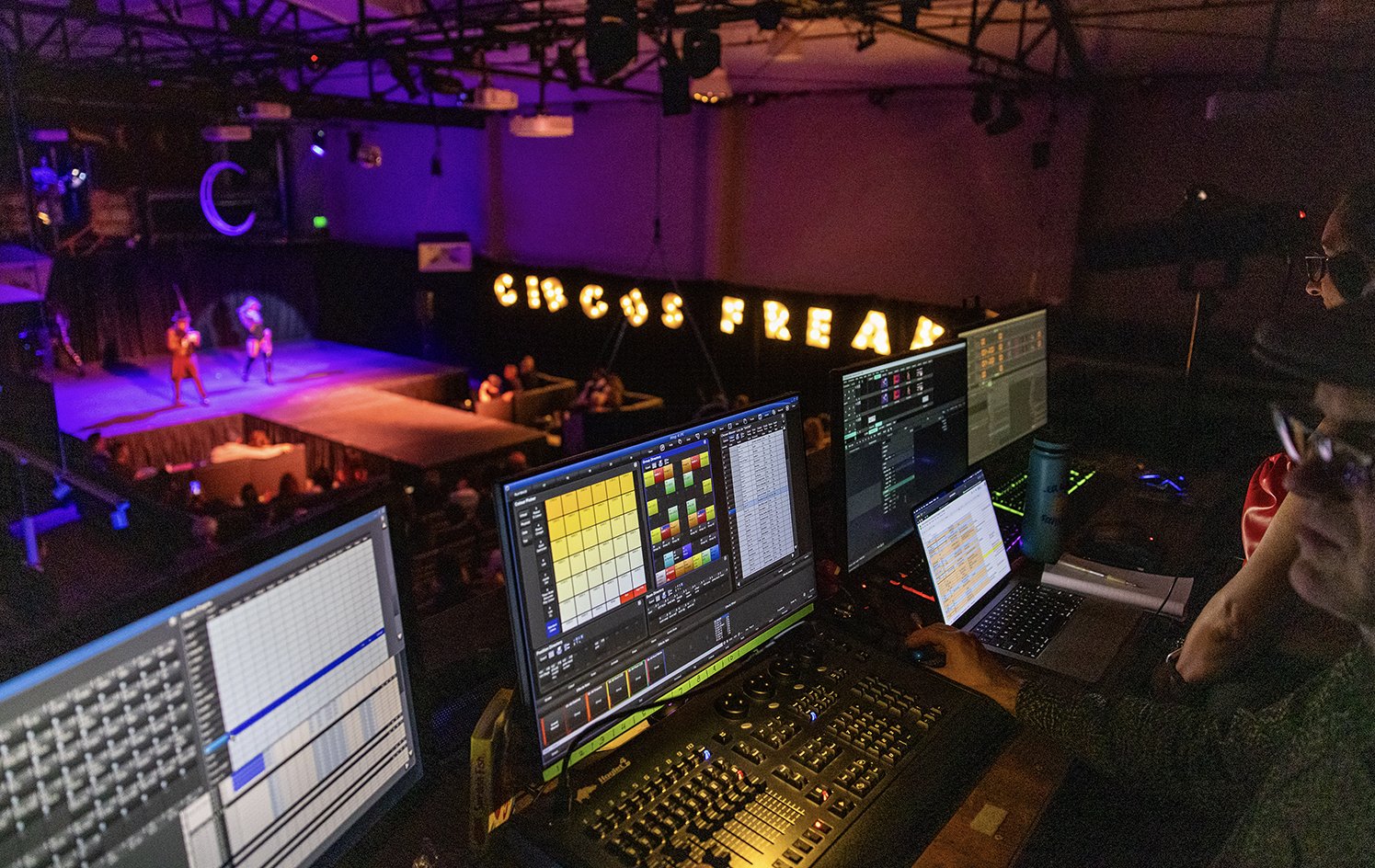
Consider the true cost comparison: A $5,000 venue rental that requires $8,000 in additional AV, lighting, and production services totals $13,000. Meanwhile, a $9,000 production-ready venue with built-in capabilities often provides superior results at lower total cost. The integrated approach also reduces coordination complexity and eliminates the risk of vendor compatibility issues that can derail event timelines.
Production-ready venues typically include professional lighting rigs, sound systems, projection capabilities, and staging areas that would cost thousands to rent separately. This infrastructure allows for seamless execution of multimedia presentations, branded environments, and interactive experiences without the markup of external production companies.
2. Master the Art of Strategic Scheduling
Timing represents the single largest variable in San Francisco venue costs. Weekend rates can be 40-60% higher than weekday alternatives, while peak season months (September through November and March through May) command premium pricing across the board.
Tuesday through Thursday evenings often provide the sweet spot for corporate events, offering substantial savings while maintaining professional appeal. Friday afternoon events capture the weekend energy at midweek rates, particularly effective for team building or client appreciation gatherings.
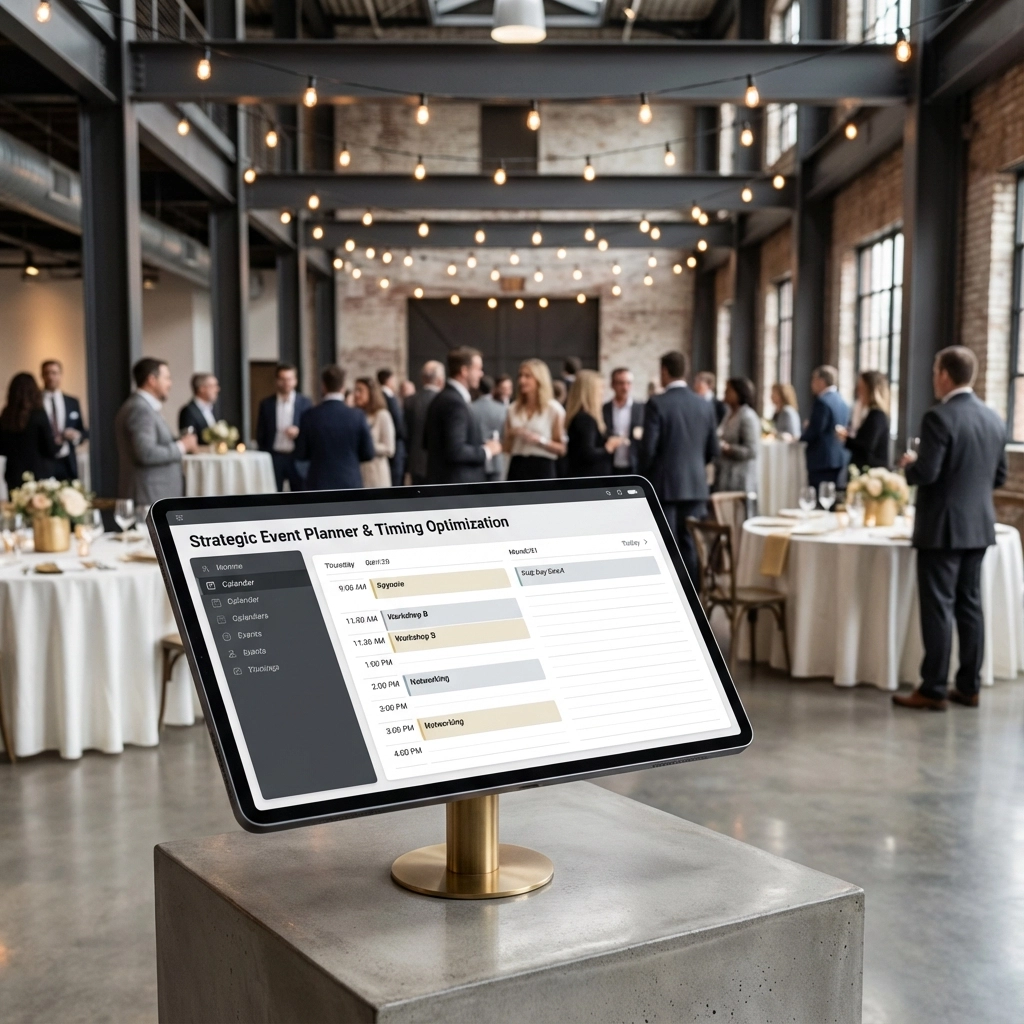
The calendar strategy extends beyond day selection. Booking around major citywide events like Dreamforce or RSA Conference creates opportunities for shoulder-week savings when venues seek to fill gaps in their schedule. A venue charging $15,000 during peak conference season might accept $9,000 for the week immediately following, representing 40% savings for identical space and services.
Smart planners also leverage San Francisco's unique seasonal patterns. January and February often see reduced demand despite mild weather, creating opportunities for indoor events at reduced rates. The key is maintaining flexibility in your event timeline to capture these market inefficiencies.
3. Bundle Services for Package Power
San Francisco's competitive venue market rewards planners who consolidate services under single contracts. Rather than assembling separate vendors for space, catering, staffing, and production, all-inclusive packages typically deliver 15-25% savings while reducing management complexity.
The bundled approach proves particularly effective when working with venues that maintain in-house culinary teams and production capabilities. A comprehensive package that appears expensive upfront often costs significantly less than itemized services when all elements are calculated.
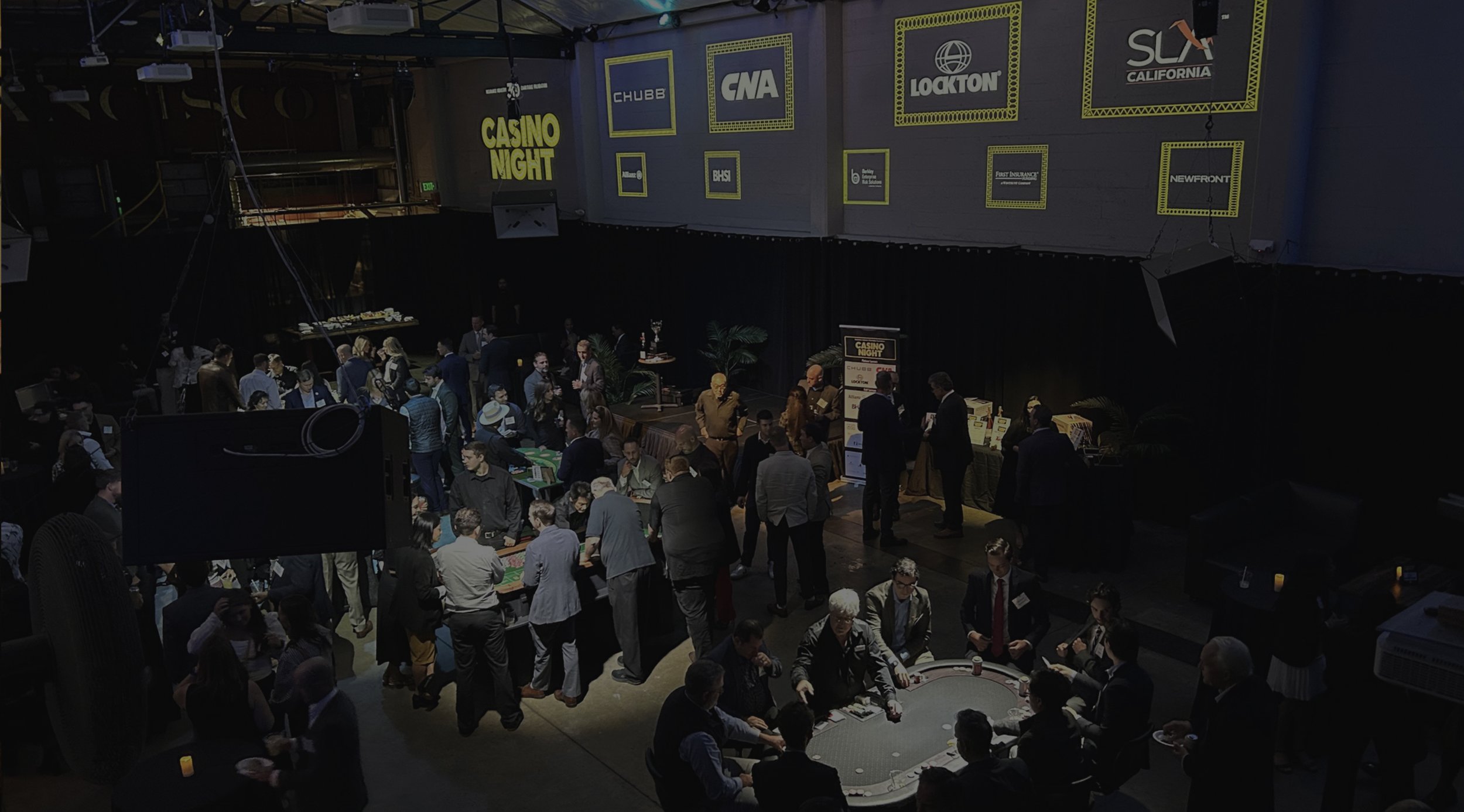
Package negotiations also create opportunities for value-added services that individual vendors rarely include. Extended setup time, additional staffing during peak service periods, or complimentary menu tastings become negotiable elements within comprehensive agreements. The venue's ability to control all service elements also ensures consistent quality and seamless coordination.
4. Revolutionize Food Service Strategy
Traditional plated dinner service represents one of the highest per-person costs in event budgets, often ranging from $85-150 per guest in San Francisco. Creative food service alternatives can deliver equivalent perceived value at 30-50% lower cost while enhancing networking opportunities.
Passed appetizer reception formats encourage natural mingling while requiring fewer service staff than plated meals. Action stations with chef-prepared items create premium experiences without the labor intensity of full table service. Family-style sharing plates foster connection while reducing individual portion costs.
Beverage service innovations offer additional savings opportunities. Signature cocktails featuring locally-sourced spirits create memorable branding moments while controlling bar costs more effectively than open premium bars. Wine and beer packages often provide better value than full liquor service for corporate audiences.
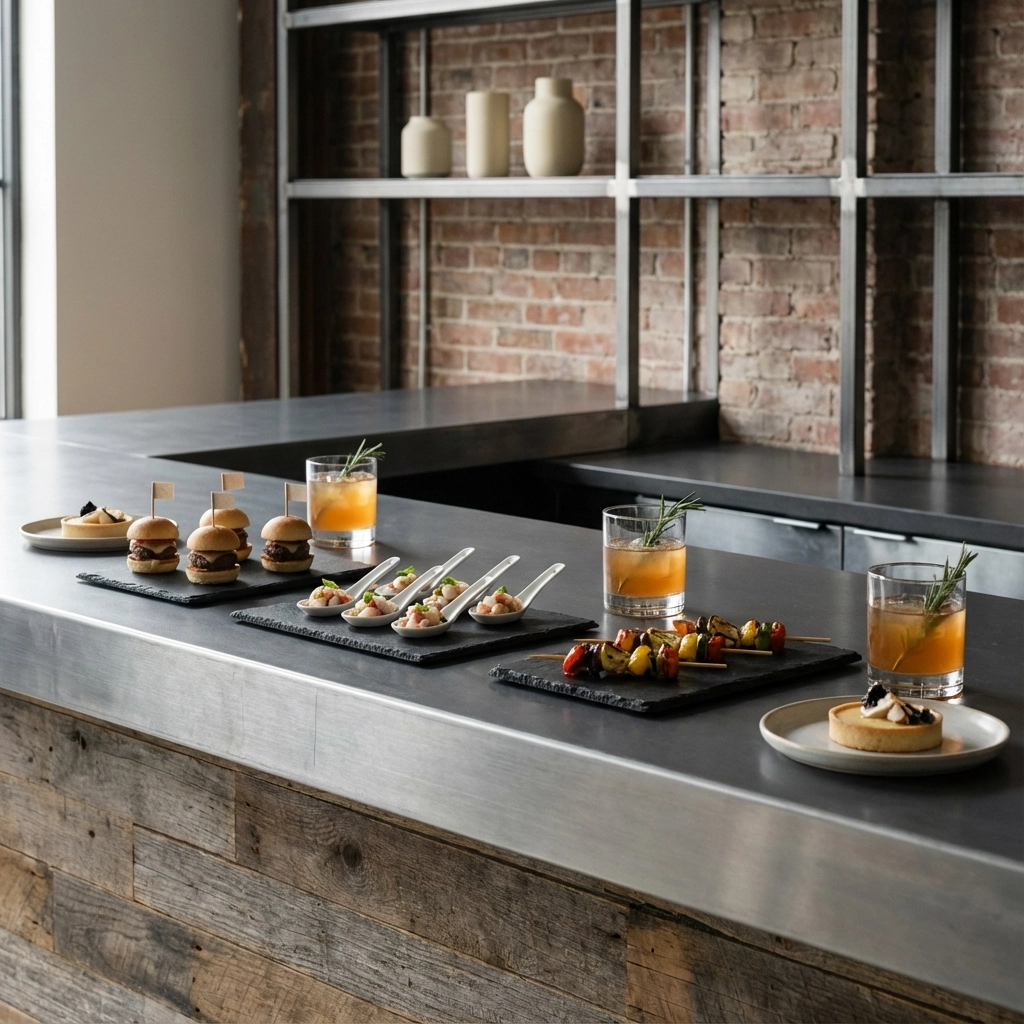
The timing of food service also impacts costs significantly. Afternoon events featuring elevated coffee service and artisanal pastries cost substantially less than evening dinner service while maintaining professional sophistication. Late afternoon receptions that bridge work and social time often achieve higher attendance rates due to scheduling convenience.
5. Maximize Multi-Space Venue Flexibility
San Francisco's compact geography makes transportation between venues expensive and logistically challenging. Venues offering multiple spaces or flexible room configurations eliminate these transition costs while creating more dynamic event experiences.
Multi-room layouts allow for concurrent programming without additional venue fees. A large group can divide for breakout sessions, then reunite for presentations or networking, all within a single footprint. This approach reduces transportation costs, eliminates time lost in transitions, and maintains energy throughout the event.
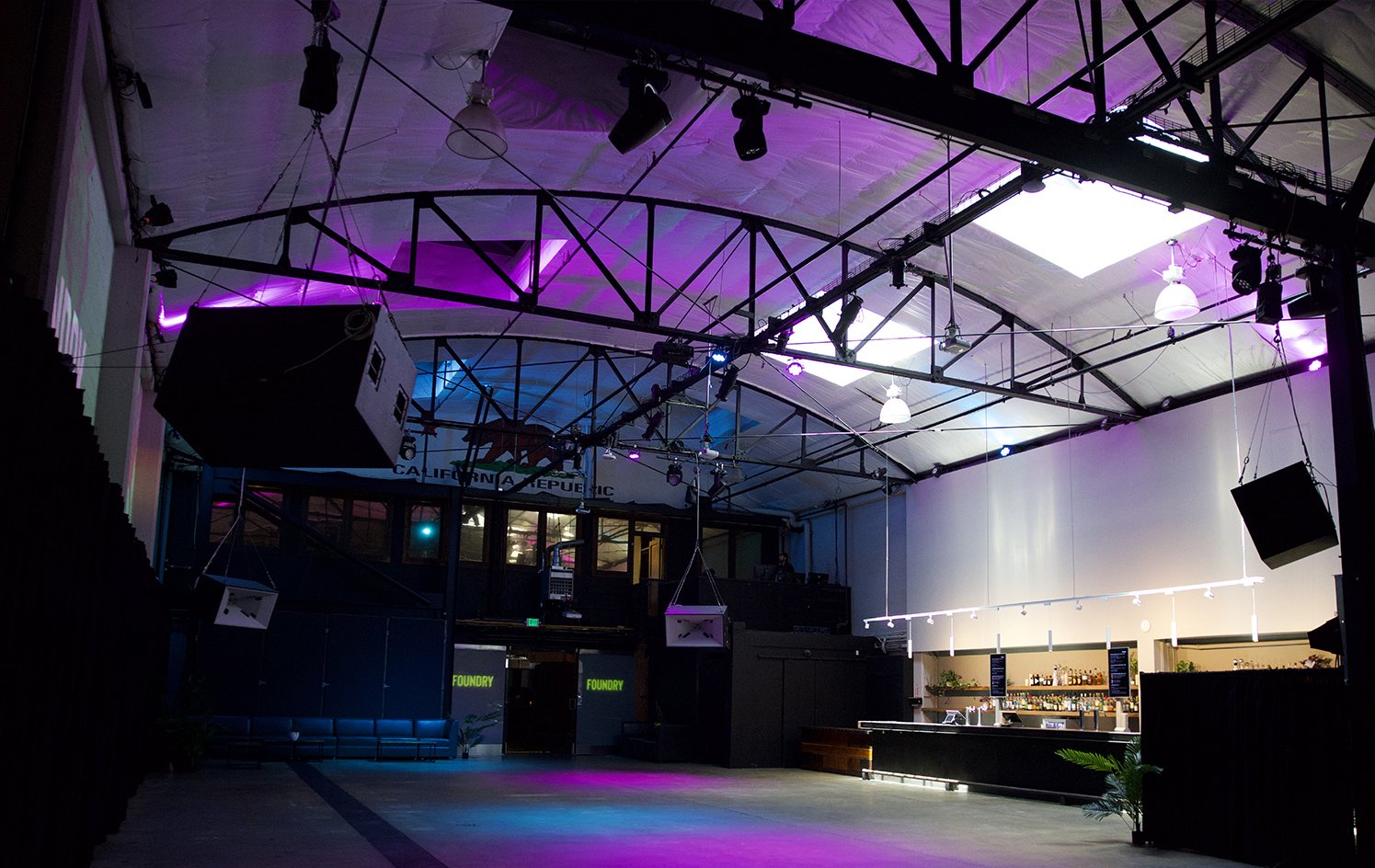
Flow design becomes particularly powerful in industrial-style venues with open layouts that can be configured multiple ways throughout an event. Reception areas can transform into presentation spaces, then transition to lounge environments for continued networking. This adaptability creates the impression of multiple venue experiences while maintaining single-venue economics.
The key lies in selecting venues designed for flexibility from the ground up, rather than traditional spaces that require extensive modification to achieve similar versatility.
6. Leverage Early Commitment and Negotiation
San Francisco's event market rewards advance planning more than most cities due to high demand and limited inventory. Venues often provide 15-20% discounts for bookings made six months in advance, with additional concessions available for longer commitments.
Early booking negotiations should extend beyond basic rental rates. Successful planners secure commitments for setup time, staffing levels, and menu options at current pricing, protecting against inflation and market changes. Venues appreciate the booking certainty and often include value-added services as booking incentives.
The negotiation process becomes more effective when planners demonstrate venue understanding and realistic budget parameters. Venues respond positively to direct conversations about budget constraints and often suggest alternatives that maintain quality while reducing costs.
Payment timing can also influence final pricing. Venues may offer additional discounts for upfront payment or accelerated payment schedules, improving their cash flow in exchange for reduced rates.
7. Integrate Strategic Sponsorships and Technology
Corporate events provide natural opportunities for strategic partnerships that offset venue costs while adding value for attendees. Sponsor relationships can cover 30-70% of event expenses when structured thoughtfully around mutual benefit rather than simple brand placement.
Technology sponsors often provide AV equipment, streaming services, or event apps in exchange for prominent recognition. Catering sponsors can supply specialty items or beverage service. Local business partnerships may include transportation, gift items, or specialized services relevant to your attendee base.
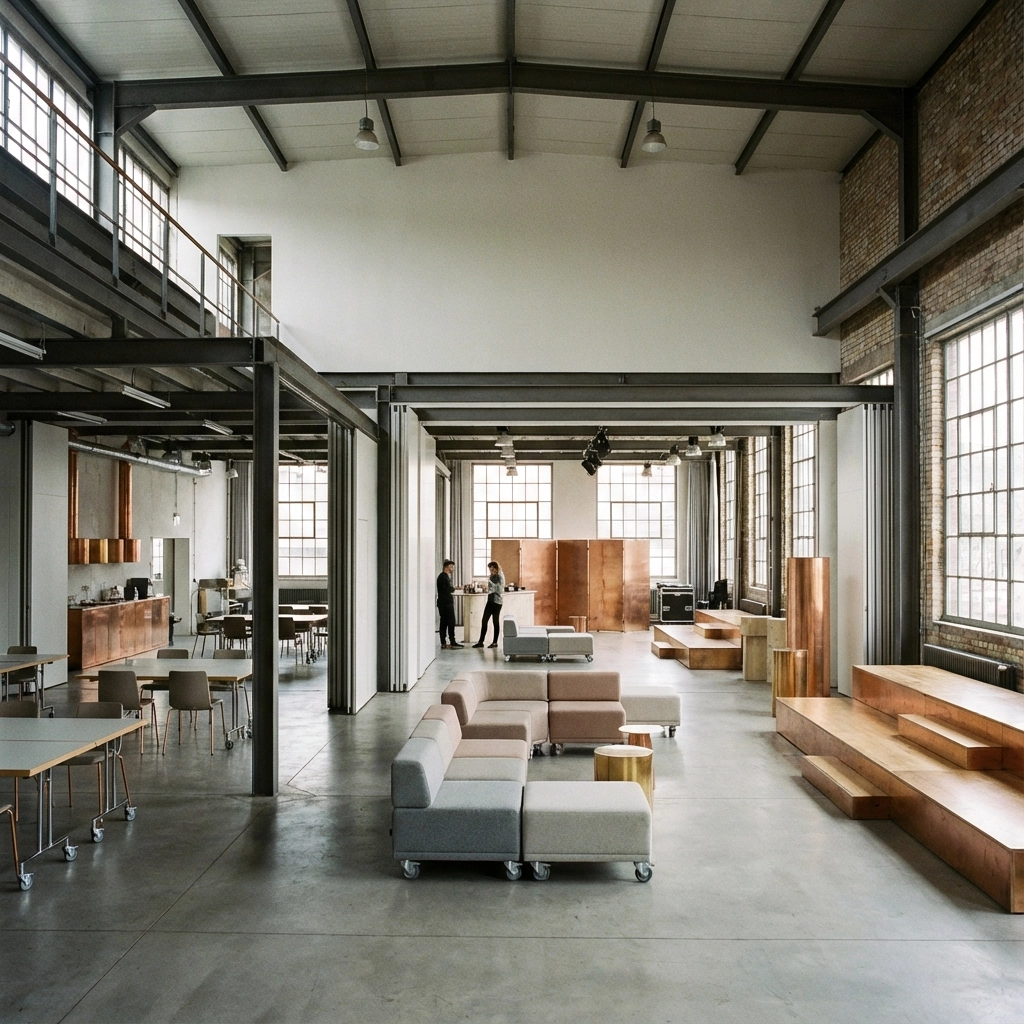
Digital technology also creates cost savings opportunities beyond sponsorships. Reusable digital signage eliminates printing costs while providing real-time updates. Mobile event apps reduce paper materials and enhance attendee engagement. Live streaming capabilities can expand event reach without proportional cost increases.
The most effective technology investments focus on elements that improve attendee experience while reducing operational complexity. Simple solutions that eliminate manual processes or reduce staffing requirements often provide immediate ROI while enhancing event professionalism.
These seven strategies work most effectively when combined rather than implemented individually. The most successful San Francisco events leverage multiple approaches simultaneously, creating compound savings that can reduce total costs by 35-50% compared to traditional approaches while maintaining or improving attendee satisfaction.
The key to success lies in viewing venue selection as a strategic partnership rather than a simple space rental. Venues that understand these dynamics and work collaboratively with planners to optimize budgets while maintaining quality become valuable long-term partners for ongoing event success.